2026-10-10 · David Ramirez
A Step-by-Step Guide to Clearing Minor Sewer Clogs at Home
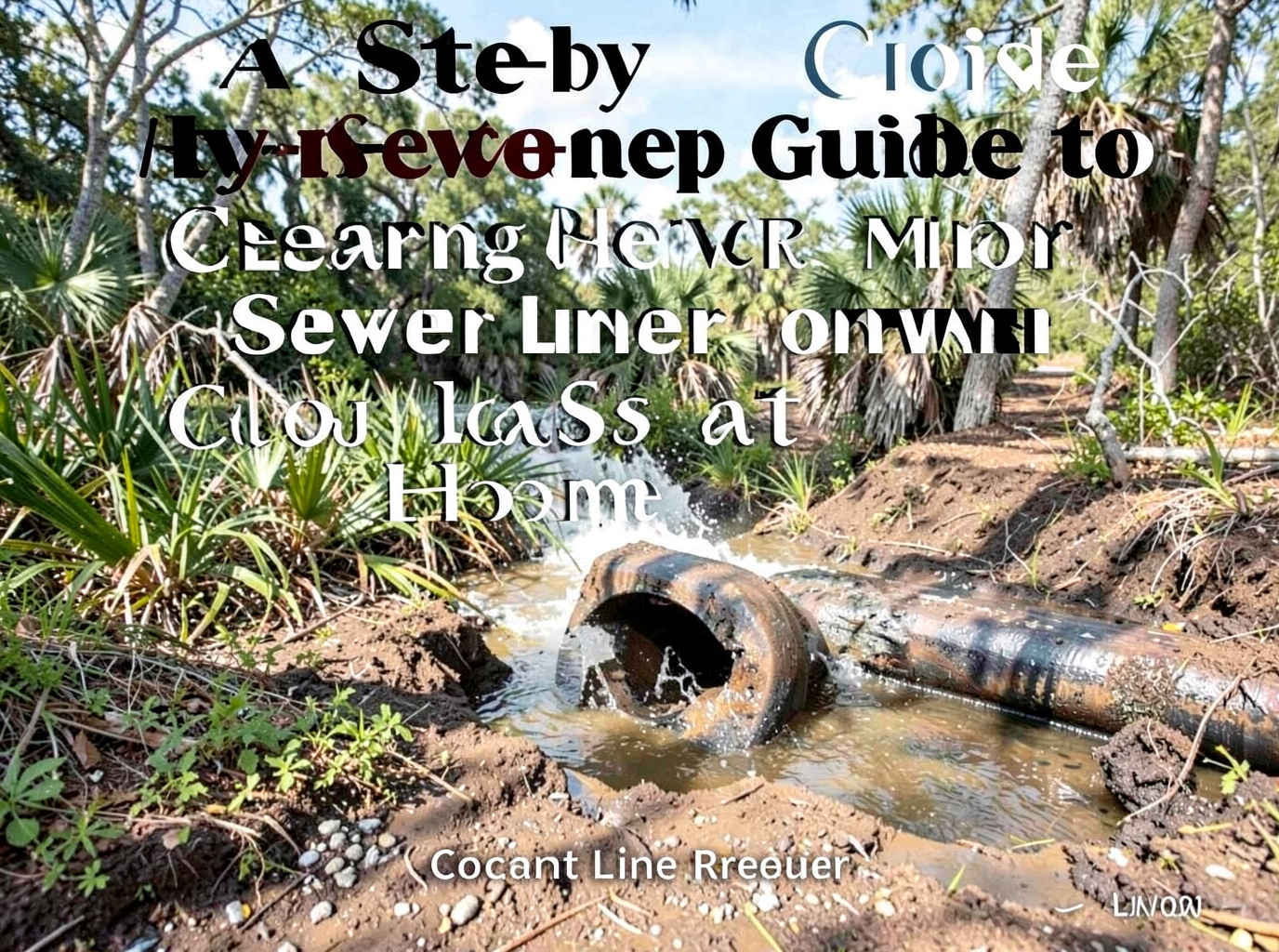
Clearing minor sewer clogs at home in Coconut Creek is often a manageable task, typically taking anywhere from 15 minutes to an hour, depending on the severity and location of the blockage. For many homeowners, the cost is minimal, usually just for a few basic tools like a plunger, drain snake, or enzymatic cleaner, which can range from $10 to $50. However, it's crucial to distinguish between a minor clog and a more serious issue that might indicate a deeper problem within your main sewer line, especially in older homes found in areas like Winston Park or Centura Park where original plumbing systems might be showing their age. This guide focuses on those smaller, localized blockages that haven't yet escalated into a full-blown sewer backup, offering practical steps you can take before needing to call in the professionals at Coconut Creek Sewer Pros.
Identifying a Minor Clog vs. a Major Issue
Before you grab your tools, it's important to accurately assess the situation. A minor clog usually affects a single fixture, like a slow-draining sink or a toilet that struggles to flush. You might notice water backing up slightly in that specific drain, but other drains in your home, such as a shower on a different floor or a kitchen sink, will function normally. This localized problem suggests the blockage is close to the fixture itself, within the trap or the immediate branch line.
In contrast, major sewer line issues often manifest as multiple clogged drains throughout your home, especially those on lower levels or fixtures that are far apart. For instance, if your toilet gurgles when you run the washing machine, or if water backs up into your shower when the toilet is flushed, these are strong indicators of a blockage in your main sewer line. Foul odors emanating from multiple drains are another red flag. In such cases, DIY methods are unlikely to be effective, and attempting them could potentially worsen the problem, pushing debris further into the main line. If you suspect a larger issue, it's always best to consult with experienced professionals who can accurately diagnose and address the root cause, potentially requiring services like Sewer Line Replacement or a more involved repair.
Essential Tools for DIY Clog Removal
Having the right tools on hand can make all the difference when tackling a minor clog. You don't need a professional's arsenal, but a few key items will be invaluable. A plunger, either a cup-style for sinks and tubs or a flange-style for toilets, is your first line of defense. Ensure it forms a tight seal around the drain for maximum effectiveness. For deeper clogs, a drain snake (also known as a hand auger) can be incredibly useful. These come in various lengths, with 15- to 25-foot models being sufficient for most household clogs. You'll also want some rubber gloves to protect your hands and a bucket to catch any overflow or dirty water.
Additionally, consider having some enzymatic drain cleaner on hand. Unlike harsh chemical cleaners that can damage pipes, especially older ones common in neighborhoods like Palm Beach Farms, enzymatic cleaners use bacteria to break down organic matter like hair, grease, and food particles. They work slower but are much safer for your plumbing and the environment. Always read the instructions carefully before use. For exposed P-traps under sinks, a wrench might be needed to loosen the slip nuts, allowing you to manually clear blockages.
Step-by-Step Guide to Clearing Minor Clogs
Once you've identified a minor clog and gathered your tools, follow these steps to attempt to clear the blockage:
- Plunge the Drain: For sinks and tubs, fill the basin with enough water to cover the plunger cup. For toilets, ensure there's enough water in the bowl. Place the plunger over the drain, creating a tight seal. Pump vigorously 10–20 times, maintaining the seal. On the last pump, pull the plunger up quickly to create suction. Repeat this process several times if necessary. If the water starts to drain, run hot water for a few minutes to flush out any remaining debris.
- Use a Drain Snake (Hand Auger): If plunging doesn't work, a drain snake is the next step. For sinks, remove the stopper. Gently feed the snake's cable into the drain. When you feel resistance, you've likely hit the clog. Twist the handle to allow the auger head to break through or hook onto the blockage. Slowly pull the snake back out, hopefully bringing the clog with it. For toilets, feed the snake carefully into the bowl, trying not to scratch the porcelain. This is particularly effective for hair clogs or small objects.
- Clean the P-Trap (for Sinks): If the clog is still present in a sink, the P-trap (the U-shaped pipe directly under the sink) is a common culprit. Place a bucket underneath to catch water. Use a wrench to loosen the slip nuts on both ends of the P-trap. Carefully remove the trap and empty its contents into the bucket. Use a brush or wire to clean out any accumulated gunk. Reassemble the trap, ensuring all connections are tight to prevent leaks, then run water to check.